
Last updated November 23, 2026
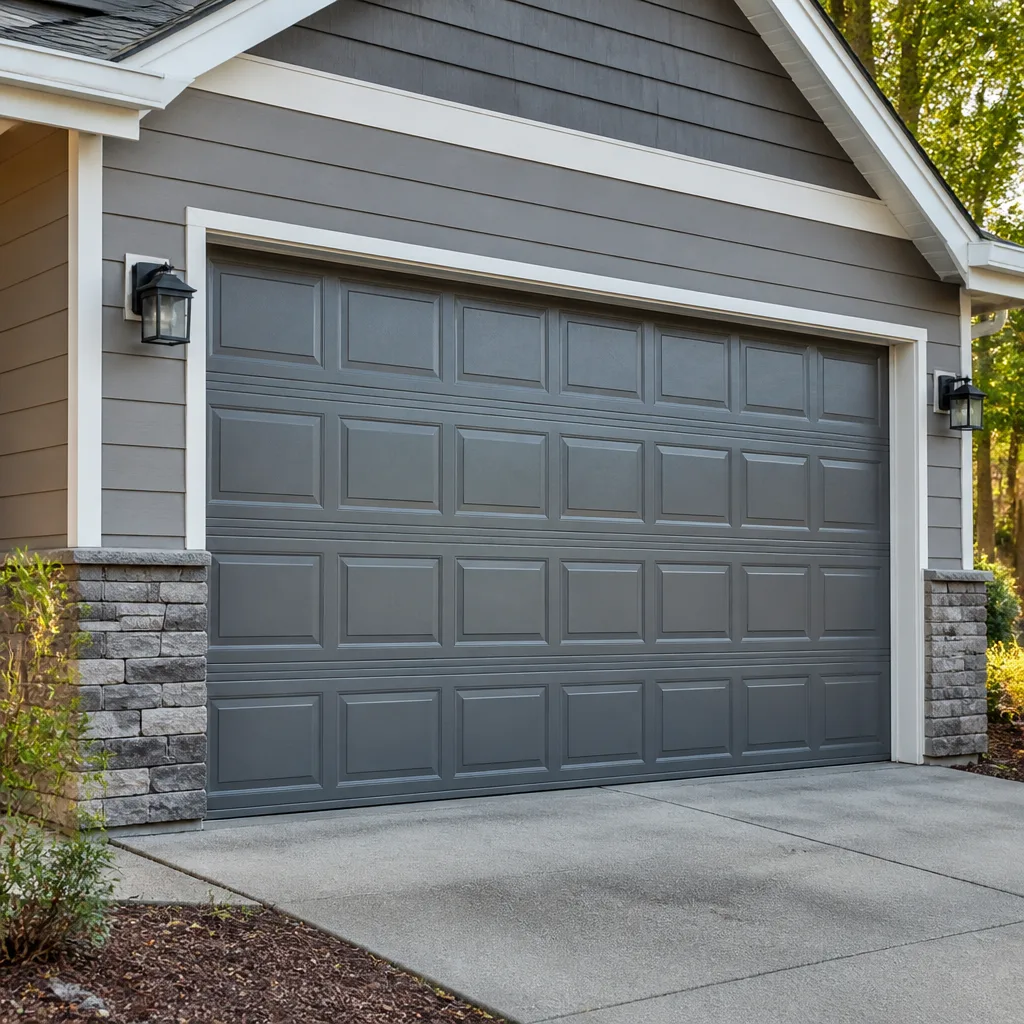 Raised-panel steel
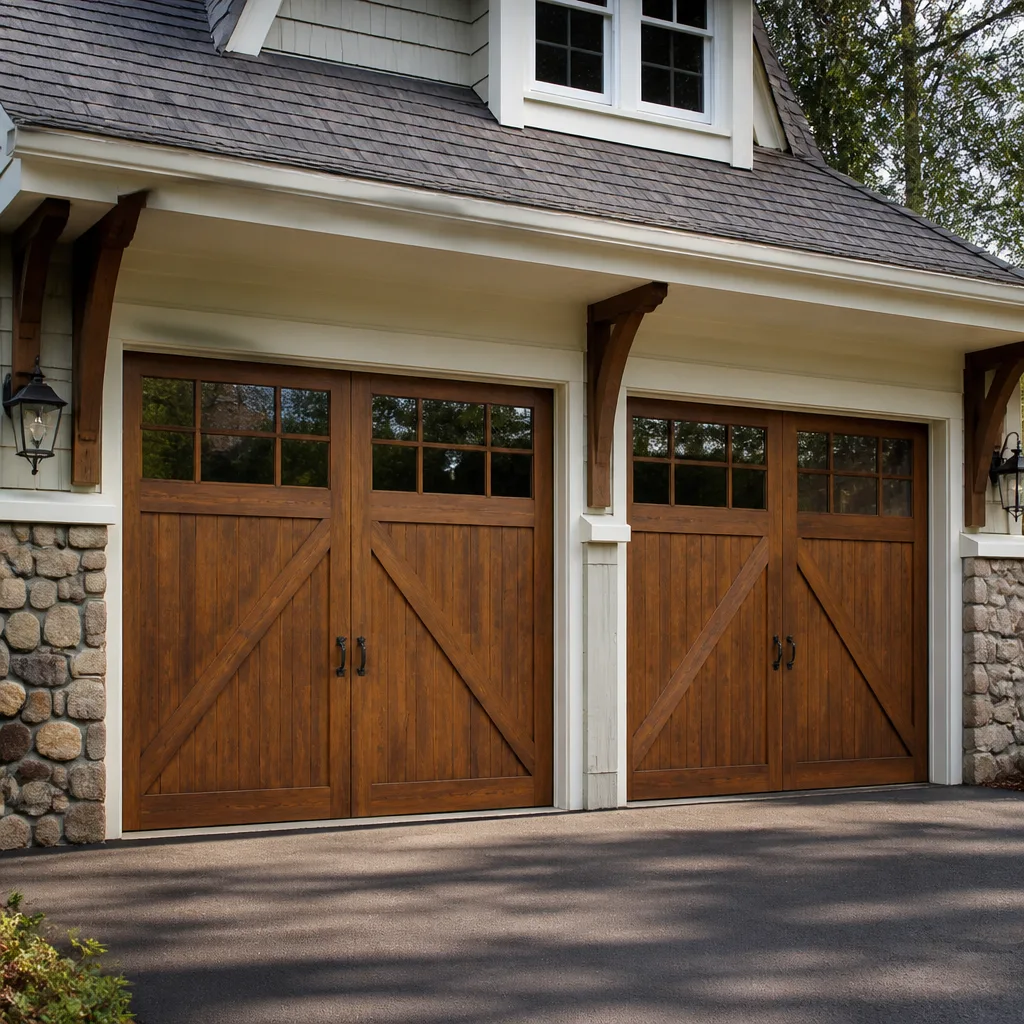 Carriage house
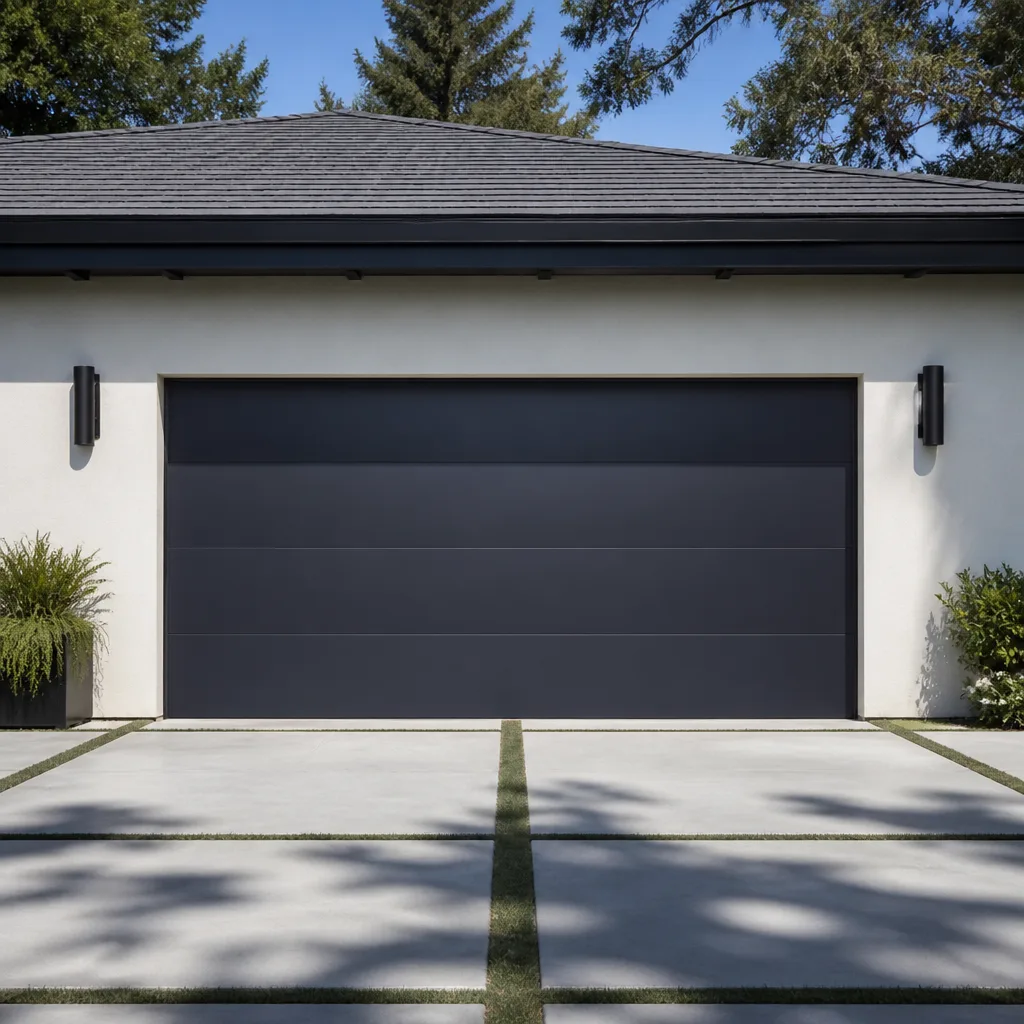 Modern flush
 Full-view glass
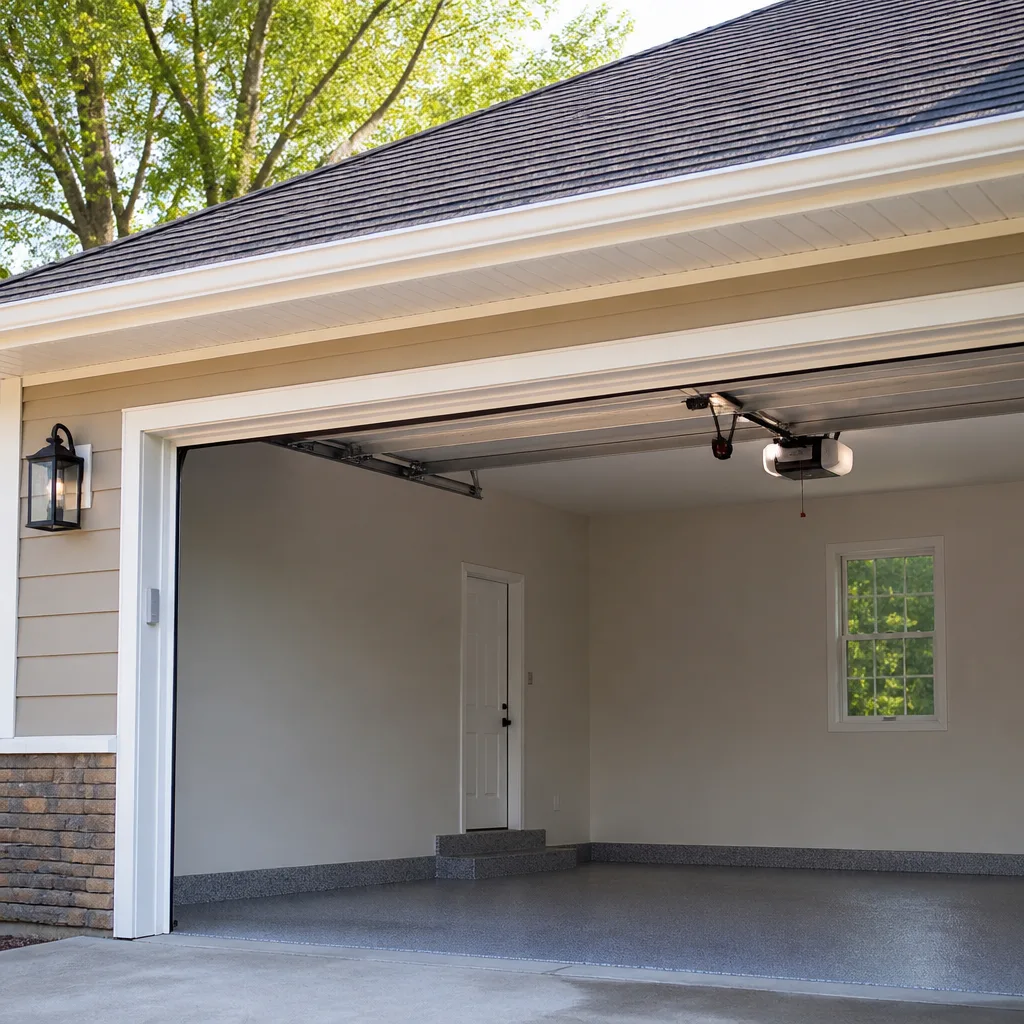 LiftMaster openers
 Chamberlain openers
Full 25-point door and opener safety check with every visit - springs, cables, rollers, tracks, and your LiftMaster or Chamberlain opener included
You get a price before we start. It does not change when the pro arrives.
Get your free estimateDIY vs Professional Garage Door: The Cherry Hill Homeowner’s Decision Guide
Most homeowners assume the DIY-or-professional question hinges on skill. It doesn’t. It hinges on stored energy. A torsion spring on a closed door holds enough force to snap a winding bar out of a trained hand, and the tool that makes the job survivable isn’t sold in the kit you’d buy at a hardware store. That single fact reshapes which garage door tasks are reasonable to tackle yourself and which ones belong to a technician. In this guide we’ll separate the genuinely DIY-safe jobs from the professional-only ones, explain the physics without the fearmongering, and give you a simple go/no-go test you can apply to your own door in Cherry Hill before you pick up a wrench.
Quick Answer
In Cherry Hill, the garage door tasks worth doing yourself are the low-tension ones: lubrication, weatherstripping, sensor alignment, remote programming, and visual inspection. The tasks that should always go to a professional are anything involving torsion springs, cables, track replacement, or a door that’s off its hinges, because those parts store or transfer enough force to cause serious injury in a fraction of a second. When in doubt, the deciding question is simple: is the system under tension right now? If yes, call a specialist.
Styles & brands we work with
- Raised-panel steel
- Carriage house
- Modern flush
- Full-view glass
- LiftMaster openers
- Chamberlain openers
Table of Contents
- The Real Divide: Tension, Not Talent
- The Physics of a Torsion Spring, Explained Plainly
- DIY-Safe Garage Door Tasks
- Professional-Only Garage Door Tasks
- What a YouTube Tutorial Prepares You For (and What It Doesn’t)
- The Real Cost Comparison: DIY Savings vs. DIY Recovery
- Your Go/No-Go Decision Tool
- Cherry Hill Specifics: Climate, Housing, and Door Age
The Real Divide: Tension, Not Talent
Handy homeowners in Cherry Hill fix their own plumbing, patch drywall, and rewire a light fixture without a second thought. Garage doors feel like they belong in that same category, and for a portion of the work they do. The trouble comes from treating the whole system as one skill level. A garage door isn’t a single mechanism; it’s a set of subsystems at wildly different risk levels.
The framework that actually holds up is tension. Every garage door falls into one of two states: a system that’s under stored tension (springs, cables, the door held aloft) and a system that isn’t (weather seals, tracks at rest, opener electronics, safety sensors). The first group is where injuries happen. The second is where a competent homeowner can save real money and feel good about the result.
Here’s the split at a glance:
- Under tension (professional-only): torsion springs, extension springs, lift cables, track anchoring, hinge and roller replacement on a door that’s binding, any adjustment to a door that’s out of balance.
- Not under tension (DIY-safe): bottom weather seal, side and top seals, hinges that don’t carry load, rollers on a door in good balance, opener remote programming, safety sensor alignment, lubrication.
- Grey zone (inspect, then decide): opener motor replacement, belt and chain adjustment, panel cosmetic repair.
If a task touches a component that holds the door’s weight or holds it back from falling, it belongs to a technician. Everything else is fair game. That’s the whole decision, and it applies to a 1990s two-car door in Barclay Farm as much as to a new build in Erlton.
The Physics of a Torsion Spring, Explained Plainly
You don’t need an engineering degree to understand why spring work is dangerous, but you do need to understand what’s actually happening. A torsion spring is a coiled steel bar that twists along a metal shaft above the door. When the door is closed, the spring is wound tight, storing energy the way a wound-up clock stores energy. When you press the opener, that spring releases some of its stored twist to help lift a door that weighs 150 to 300 pounds.
The force involved is substantial. To lift the door safely, the spring must be wound to a specific number of turns calibrated to the door’s exact weight. Wind it too far and the door flies up. Wind it too little and the door will fall. The tool that lets a trained technician wind the spring under control is a pair of steel winding bars inserted into the cone. Those bars aren’t in any consumer kit. Without them, the only way to wind a spring is to grip the cone and turn it by hand, which is exactly the situation that leads to a bar or a cone releasing at speed into the person standing on a ladder.
What does that release look like? It’s a fraction of a second. The cone spins free, and whatever is holding it – a bar, a wrench, a hand – gets thrown with the full force of the wound spring. That’s why the injury is usually a hand or forearm fracture, not a bruise. It’s also why we don’t hand out winding instructions on a page like this. The knowledge is easy. The tooling, training, and margin for error are not.
Cables carry a parallel risk. They’re under the same tension and can whip if they snap free of their drum. Track replacement carries a different risk (a door falling off an unsupported track), but it’s no less serious. This is the category where a Cherry Hill homeowner should call a professional without hesitation.
DIY-Safe Garage Door Tasks
Now the good news. A substantial amount of garage door maintenance is entirely within reach for a careful homeowner, and doing it regularly extends the life of the door and opener. These are the jobs we’d never tell a Cherry Hill customer they had to call us for.
- Lubricate the moving parts. A white lithium grease or dedicated garage door lubricant on the hinges, rollers, and torsion spring (sprayed, not rubbed) quiets a squeaky door and reduces wear. Do it twice a year, and again after a dry, dusty stretch.
- Replace the bottom weather seal. The rubber strip along the bottom of the door takes a beating from temperature swings. Slide the old one out of its channel and slide a new one in. Ten minutes, no tools beyond a screwdriver.
- Install or replace side and top seals. These are the strips that nail or screw to the door frame. If you feel a draft or see daylight around a closed door, this is your job.
- Align the safety sensors. The two small electric eyes near the floor on either side of the door need to see each other. If the door won’t close and the opener’s light is blinking, a bumped sensor is the cause nine times out of ten. Straighten it, wipe the lens, and try again.
- Program a new remote. Whether it’s a LiftMaster, Chamberlain, or Genie opener, the programming sequence is in the manual and takes two minutes. Look up the model number on the back of the motor unit and follow the steps.
- Test the door’s balance and auto-reverse. Disconnect the opener (pull the release handle), lift the door halfway, and let go. A balanced door stays put. One that slams down needs professional adjustment. Then place a 2×4 flat on the ground under the door and close it – a working door reverses on contact. This is a safety check, not a repair.
- Wipe down the panels and touch up scratches. Cosmetic, but it keeps steel doors from rusting at the seams. Use a matching touch-up paint on Raynor or Clopay panels.
All of these are reversible, involve no stored energy release, and require nothing more exotic than a screwdriver and a can of lubricant. If a job doesn’t appear on this list, treat it with suspicion until you’ve read the next section.
Professional-Only Garage Door Tasks
These are the jobs that go wrong loudly and expensively when a homeowner tries them. We’re not saying this to protect our own business – a good share of the calls to our garage door spring repair line are from people who started a job and stopped when they realized what they were handling. The ones that worry us are the calls that come after the injury or the collapse.
- Torsion spring replacement. The spring above the door is wound to hundreds of pounds of tension. Replacing it requires matching the wire gauge and inside diameter to the door’s weight, then winding to a specific turn count with a proper winding bar. Miss either and the door is unsafe.
- Extension spring replacement. The stretch-style springs along the track carry the same energy in a different geometry. They also require correct sizing and safety-cable installation, and a snapped extension spring can take out a windshield.
- Lift cable replacement. Cables spool onto drums at the corners of the door. A cable that’s misrouted, over-tensioned, or kinked can fail and whip. There’s no safe way to adjust a cable without understanding the drum geometry and the door’s balance point.
- Track replacement and straightening. A bent track means the door isn’t running true, and a door that jumps a track can fall. Track alignment requires knowing whether the frame is plumb, whether the track needs shimming, and how to anchor it without cracking the surrounding concrete.
- Balance adjustment. If the door slams, drifts, or won’t stay put at half-height, the springs are mis-tuned. Adjusting them is spring work by another name.
- Opener replacement on a door with a failing spring. The opener is not designed to lift the door’s weight. If the springs are weak, add a new opener and you’ll burn out the motor or snap the rail. Fix the mechanical side first.
One rule of thumb from our technicians: if the door weighs more than you can comfortably lift by hand with the opener disconnected, the repair isn’t a DIY job. That applies to nearly every spring and cable call we see in Cherry Hill.
What a YouTube Tutorial Prepares You For (and What It Doesn’t)
We’re not anti-video. A good tutorial on sensor alignment or remote programming is genuinely useful, and we’ve pointed customers toward them. But it’s worth being honest about where a video falls short, because that gap is exactly where injuries and botched repairs happen.
A tutorial prepares you for: the general shape of a job, the layout of the components, the sequence of steps for a low-tension task, and the confidence to try something reversible. If a video shows a homeowner swapping a bottom seal or programming a Genie remote, follow along. You’ll save a service call.
A tutorial doesn’t prepare you for:
- Feel. A video can’t teach you what a properly wound spring feels like when it resists, or how to recognize the moment a cone is about to release. That’s tactile, and it takes practice on a training door under supervision.
- Tooling. Many garage door tutorials skip the winding bars, or assume you already have them. Without the right tools, the technique shown is dangerous regardless of how carefully you follow it.
- Weight and diameter matching. Spring size depends on the door’s actual weight and height. A video for a 7-foot single door doesn’t apply to an 8-foot double in a Cherry Hill split-level, and buying the wrong spring is a common and expensive mistake.
- Diagnosis. Videos show how to fix the problem you already know you have. They can’t tell you whether the symptom you’re seeing is a spring, a cable, or a misaligned track. Diagnosing a garage door requires seeing and feeling the whole system.
- Consequences. A tutorial doesn’t show you what happens when the cone slips. There’s no slow-motion replay of the injury, because the person filming wouldn’t be able to hold the camera.
In short, video is a great preparation tool for safe, reversible jobs. It’s a poor substitute for hands-on training on the high-tension work, and that distinction is what separates the DIY-safe list from the professional-only list.
The Real Cost Comparison: DIY Savings vs. DIY Recovery
Here’s what a homeowner in Cherry Hill actually saves by doing the safe tasks themselves. Some typical estimates based on what we see in this market:
- Bottom weather seal replacement: $0 in labor DIY vs. roughly $75-$150 to have a technician do it. The material is $15-$30 at any hardware store.
- Sensor alignment: $0 DIY, most pros would charge a modest service call if that’s all they came for. This is the single best DIY task on the list – quick, reversible, high payoff.
- Remote programming: $0 DIY. Fifteen minutes with the manual.
- Full annual tune-up and lubrication: $0 DIY, or roughly $100-$175 to have a technician do a full inspection and service.
Now the other side. A homeowner who attempts their own torsion spring replacement and gets it wrong doesn’t save money – they pay for the injury, the door repair, and the correct repair on top of it. The door falling off an improperly adjusted track can bend panels, twist hinges, and damage the opener in one motion. The real cost of a botched DIY spring or cable repair is the recovery, and that’s the number no video mentions. Replacing a bent two-car door in this market runs into the thousands, and it happens because a $30 spring was installed with the wrong wind.
The honest calculation isn’t “DIY vs. professional” – it’s “DIY on the safe list” plus “professional on the dangerous list.” That combination saves the most money and keeps everyone out of the emergency room. For anything tension-related, work with a specialist. Our garage door repair team can quote a spring or cable job in writing before anyone touches the door, so you know what the fix costs before it starts.
Your Go/No-Go Decision Tool
Use this test before you start any garage door work. It’s three questions, and any single “no” ends in a call.
- Is the system under tension right now? Look at the springs. If the door is closed and the springs are wound or stretched, you’re in professional territory. The only exceptions are tasks that don’t touch the spring assembly, like lubing hinges or swapping a bottom seal.
- How old is the door and its hardware? Doors over fifteen to twenty years old often have rusted hinges, seized cables, and spring hardware that’s closer to failure. Older systems are less forgiving of a mistake and should tilt toward professional help even for borderline tasks.
- Can you reverse the job if you stop halfway? A new remote is reversible. A new track isn’t. If you can’t picture putting the door back exactly as it was, call a pro.
Below that, a quick task-by-task cheat sheet:
- Do yourself: lubricate, weatherstrip, align sensors, program remotes, wipe and paint.
- Call a specialist: springs, cables, tracks, balance, opener replacement on a weak door, anything that involves lifting or holding the door’s weight.
- Ask first: roller and hinge replacement (if the door is in balance, DIY; if not, professional), panel cosmetic repair, belt tightening.
If you’re unsure which of these categories your problem falls into, that’s the moment to get a technician’s eyes on it. Our Garage Door Repair Cherry Hill team diagnoses the issue and tells you honestly whether it’s a job you can do yourself or one that needs a specialist.
Cherry Hill Specifics: Climate, Housing, and Door Age
Cherry Hill’s housing stock and weather shape how garage doors age here, and that matters for the DIY question. The township’s mix of mid-century splits, 1970s and 1980s colonials, and newer rebuilds means a huge range of door ages – some original wood doors still swinging on their factory hardware, others replaced with modern steel in the last decade. A 40-year-old door with its original springs is a different proposition from a five-year-old Clopay, even if both are showing the same symptom.
The climate does its own work. South Jersey summers are humid, and the temperature swings between a hot July and a cold January put thermal stress on springs and seals. That cycle is why bottom seals wear faster here than in a mild climate, and why a spring that looked fine in October can sound off by February. It’s also why we see more balance issues in older doors around town – decades of expansion and contraction loosen the hardware and shift the spring tension.
The local housing layout adds a practical wrinkle. Many Cherry Hill homes have the garage attached to the house with the door facing a driveway that gets full afternoon sun. A sun-baked door heats up unevenly, and if the weather seal has dried out, the door can bind slightly on one side. That small bind is itself a sign that the system is out of balance and shouldn’t be left to a DIY adjustment. If you’re in a neighborhood like Kingston or Ashland and your door is showing any of these signs, it’s worth a professional inspection.
Our technicians have up to 12 years of experience on doors and openers across Cherry Hill, and they work on the brand you already own – whether that’s Raynor, LiftMaster, Chamberlain, or Genie. When a repair calls for a new opener or a full door replacement, we handle both sides of the work, so you’re not coordinating between a repair tech and an installation crew.
Common Mistakes to Avoid
- Trying to adjust a torsion spring by hand. Without winding bars, the cone can spin free and take a hand or forearm with it. This is the mistake that causes most DIY garage door injuries, and it happens to people who watched the tutorial carefully.
- Replacing a broken spring without checking the other one. Springs are usually installed as a matched pair and wear together. If one broke, the other is near the end of its life, and replacing just one puts extra load on the aged partner. Plan for the pair.
- Blaming the opener for a mechanical problem. A door that won’t lift often has a weak spring, not a bad motor. Adding a new opener on top of failing springs burns out the motor and gives you two problems instead of one.
- Ignoring a bent track. A slightly bent track seems cosmetic. It isn’t. It forces the door to run out of true, which strains the hinges and can eventually pull the door off its rollers.
- Over-tightening a weather seal. A seal that’s too tight binds the door and makes the opener work harder. It should touch the floor, not press into it.
- Using the wrong lubricant. WD-40 isn’t a garage door lubricant – it thins out and attracts dust. Use a white lithium or silicone-based product designed for door hardware.
- Putting off a balance check. A door that drifts or slams when disconnected from the opener is telling you the springs are out of tune. Left alone, that imbalance accelerates wear on every other part of the system.
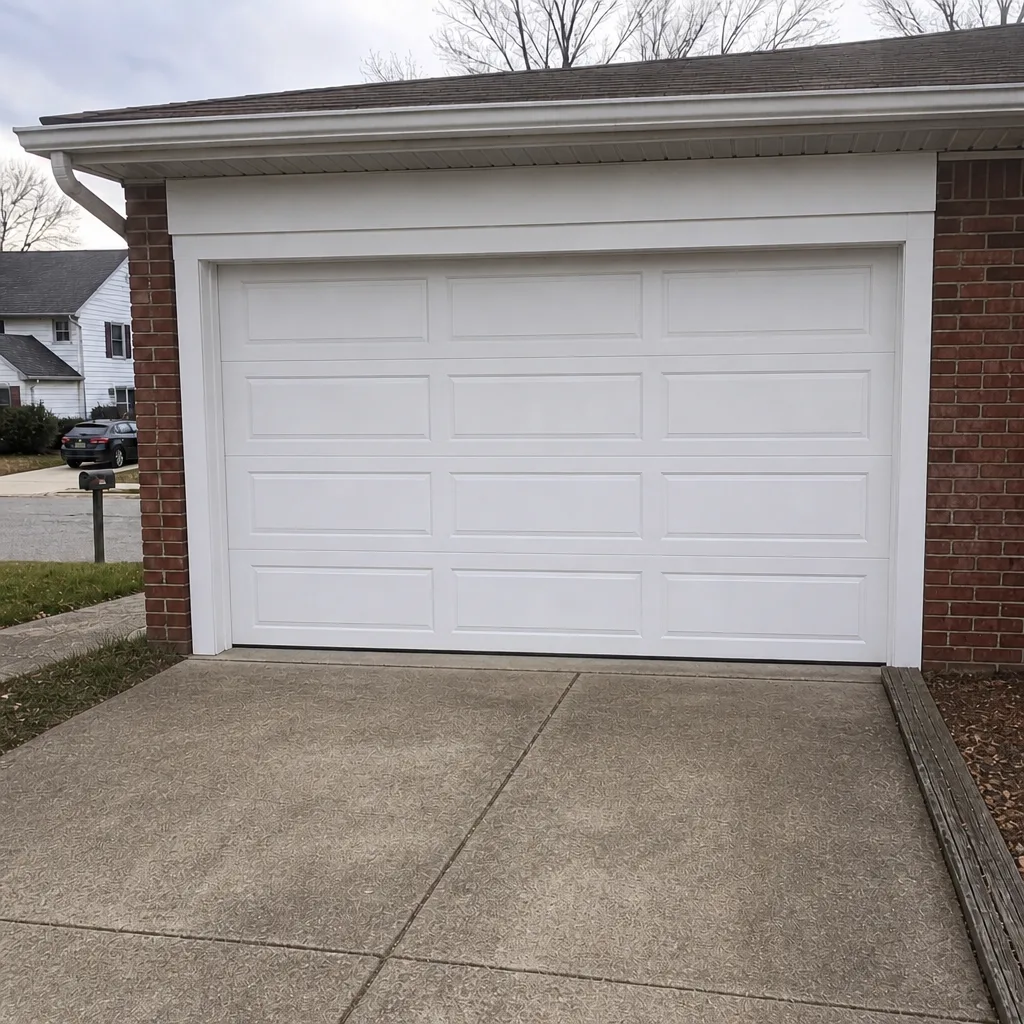
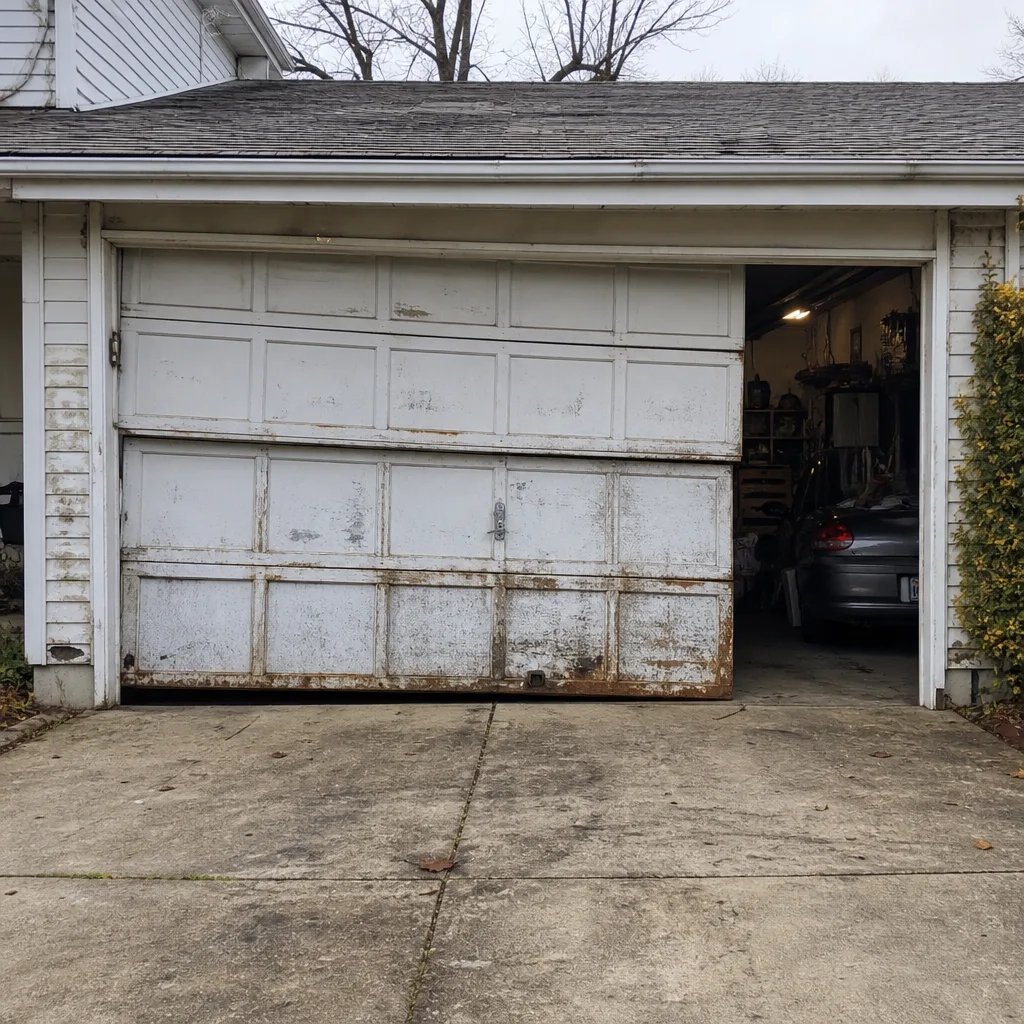
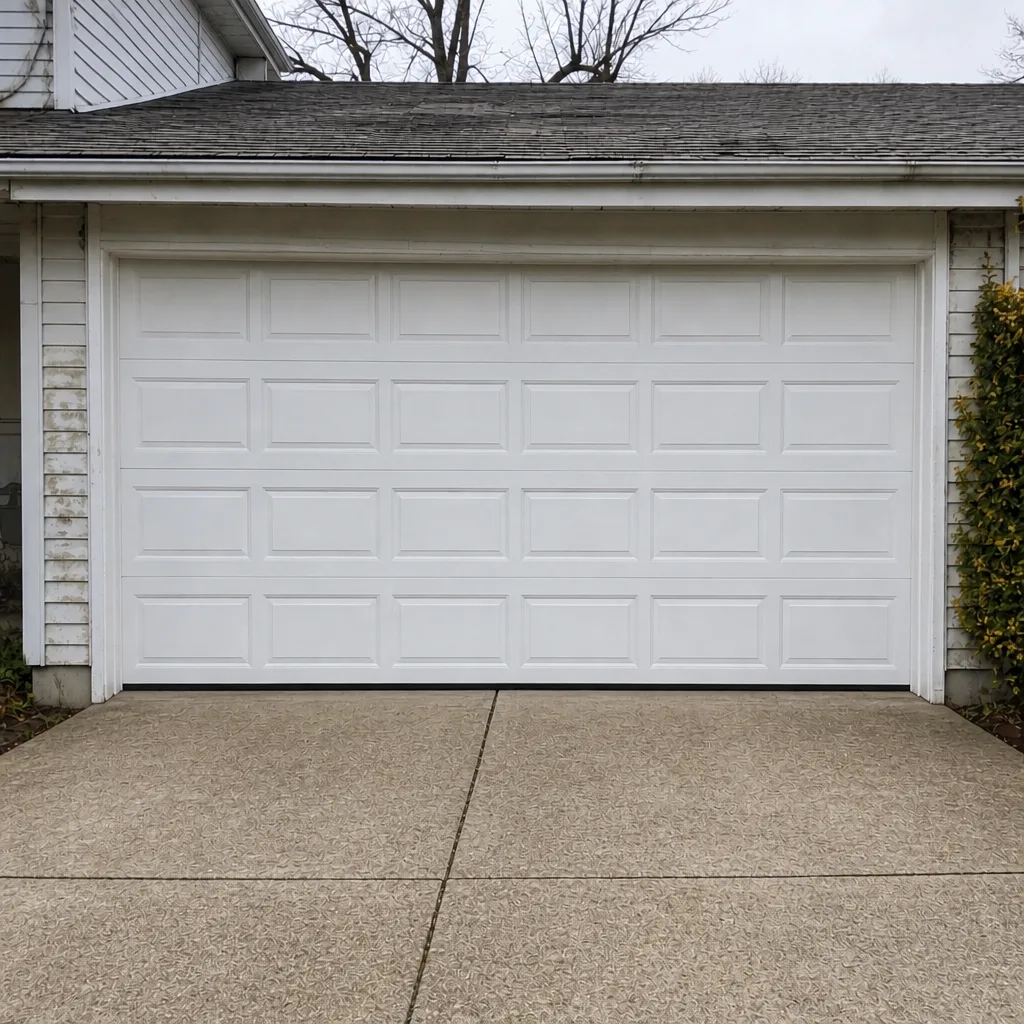
See the difference
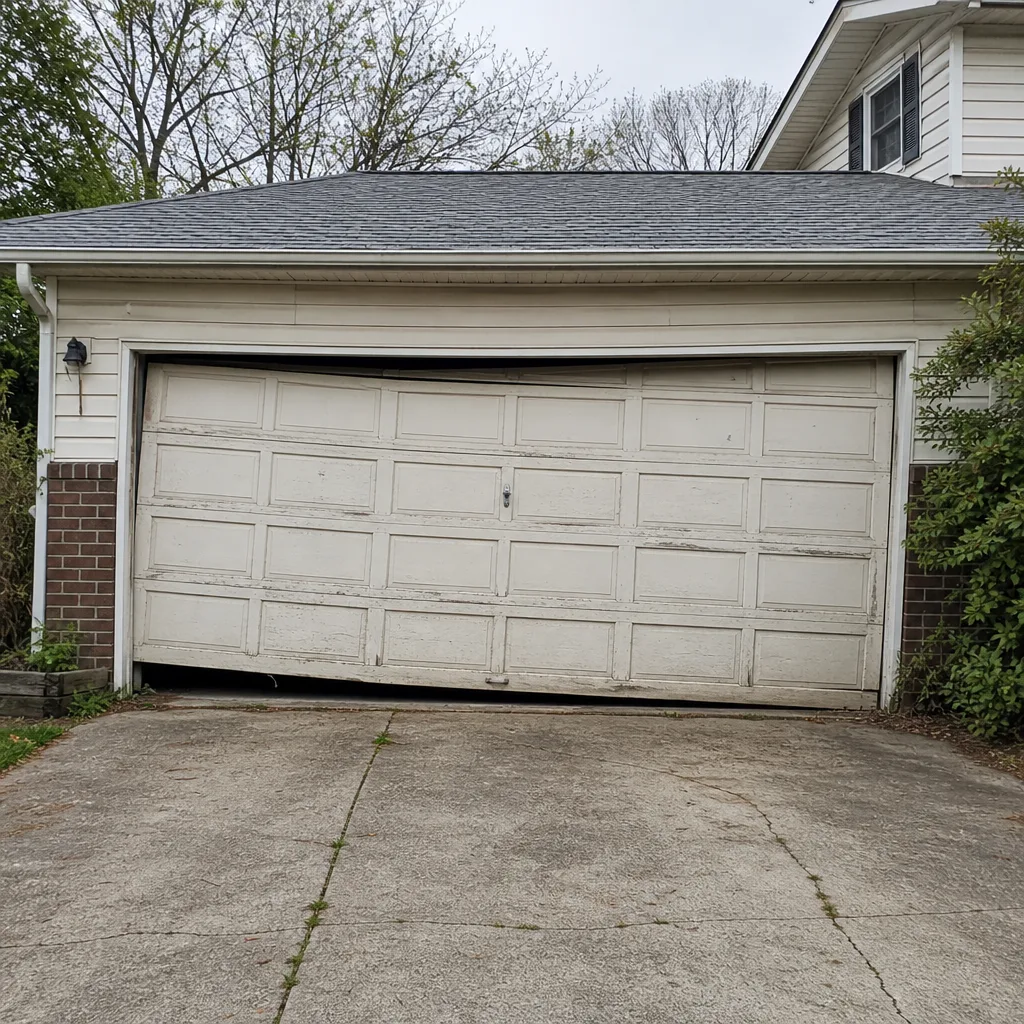 Before
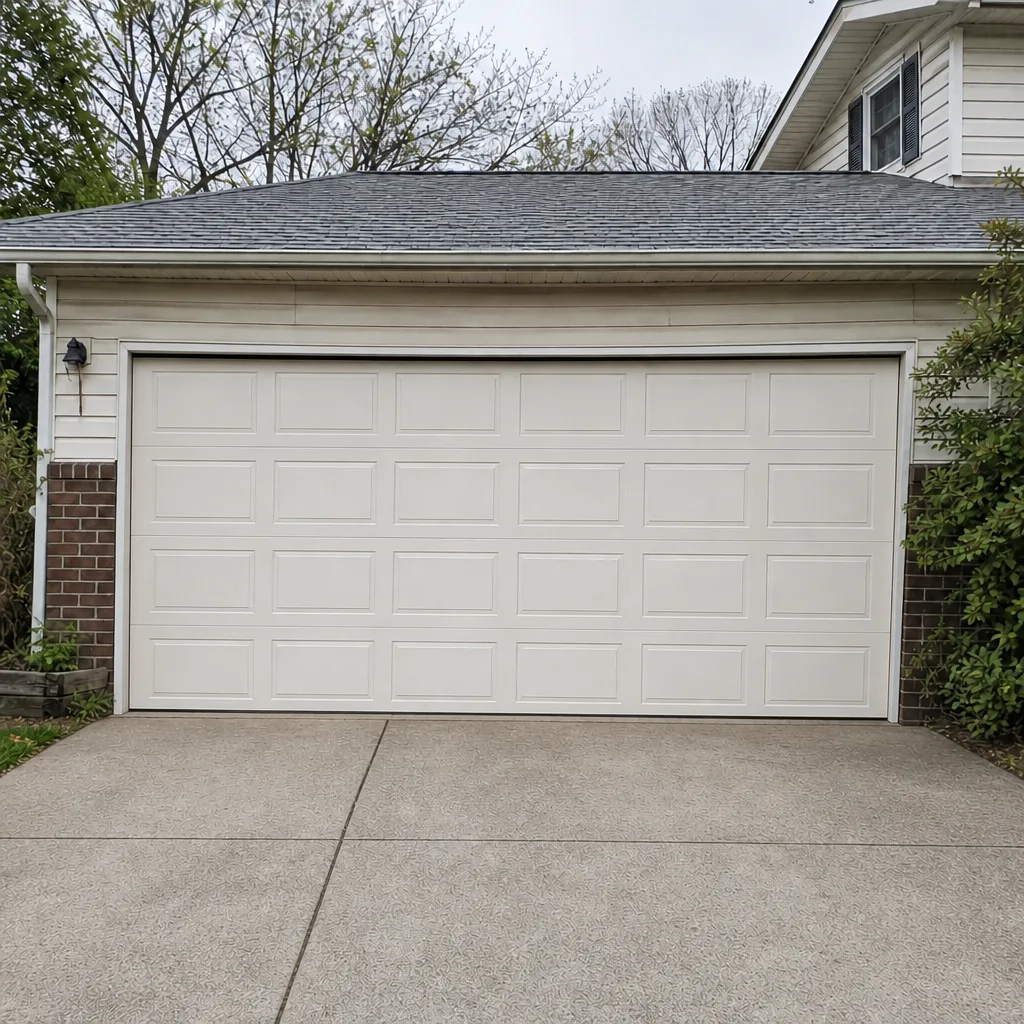 After
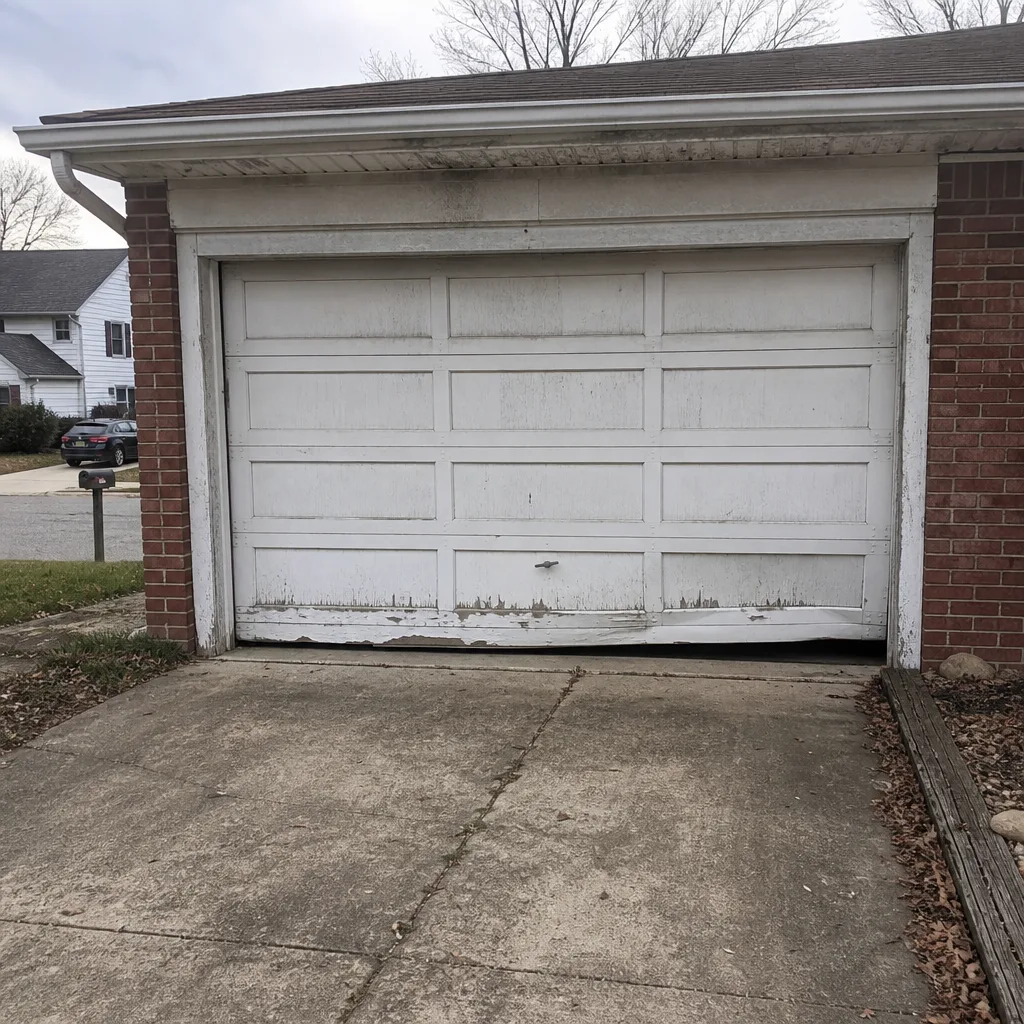 Before
 After
 Before
 After
When to Call a Professional
Call a specialist the moment the problem touches a spring, a cable, a track, or the door’s balance point. That includes a snapped spring, a door that won’t stay up when you lift it, a cable that’s come off its drum, a door that’s jumped its track, a bent track, and any opener that’s straining to lift the door. If your door is over fifteen years old and acting up, get it looked at before a small repair becomes a full replacement. Garage Door Repair Cherry Hill offers free estimates in Cherry Hill – call (833) 508-9337. Our team handles both repair and installation, so if the honest answer is that a repair isn’t worth it on a failing door, we’ll tell you and quote the replacement in the same visit.
Frequently Asked Questions
Yes, for the low-tension jobs: weatherstripping, lubrication, sensor alignment, remote programming, and cosmetic touch-ups. Those are reversible, safe, and worth doing yourself. Anything involving springs, cables, tracks, or balance should go to a professional, because those parts store enough energy to cause serious injury in a fraction of a second. If you’re not sure which category your job falls into, call a specialist before you start.
We don’t recommend it. A torsion spring is a high-tension component wound to a specific turn count, and the winding bars that let a technician control that tension aren’t included in consumer kits. Without them, the cone can release at speed and cause a hand or forearm fracture. This is the repair that most often sends homeowners to the emergency room, and it’s the one we handle most carefully.
Spring replacement in this market typically runs in the low-to-mid hundreds of dollars for a single spring, with a matched pair costing roughly double since both are usually replaced together. The written estimate sets the final price, and it’s quoted before any work starts. Call (833) 508-9337 for an exact quote – estimates are free.
The written estimate is the price. If we open the door and find something the initial diagnosis missed, we’ll tell you what it changes and get your approval before touching it. There’s no surprise invoice at the end of the job, and no charge for the estimate itself.
The local professionals we connect you with are licensed and insured as their state requires. Our technicians have up to 12 years of experience and work exclusively on garage doors, not a rotating menu of home services. That specialization matters when a job involves the tension side of a door.
No. A door that has come off its track should not be operated, and getting it back on safely involves understanding the system’s balance and the track’s alignment. Trying to force it back can bend panels or drop the door. Call (833) 508-9337 and we’ll get a specialist out to reset it.
The Bottom Line
The DIY-vs-professional question for garage doors comes down to tension, not skill. You can safely handle lubrication, weatherstripping, sensor alignment, remote programming, and cosmetic work, and doing so saves real money. Springs, cables, tracks, and balance belong to a trained technician, because the forces involved don’t leave room for error and the tooling isn’t in the box. If you’re not sure which list your job is on, that uncertainty is your answer. For the work that carries real risk and for any repair on a Cherry Hill door you rely on daily, our specialists handle garage door opener repair too. Call (833) 508-9337 for a free estimate. We answer 24/7. Fast dispatch from 7am to 7pm, Sunday through Friday.
Written by the team at Garage Door Repair Cherry Hill.