
Last updated November 23, 2026
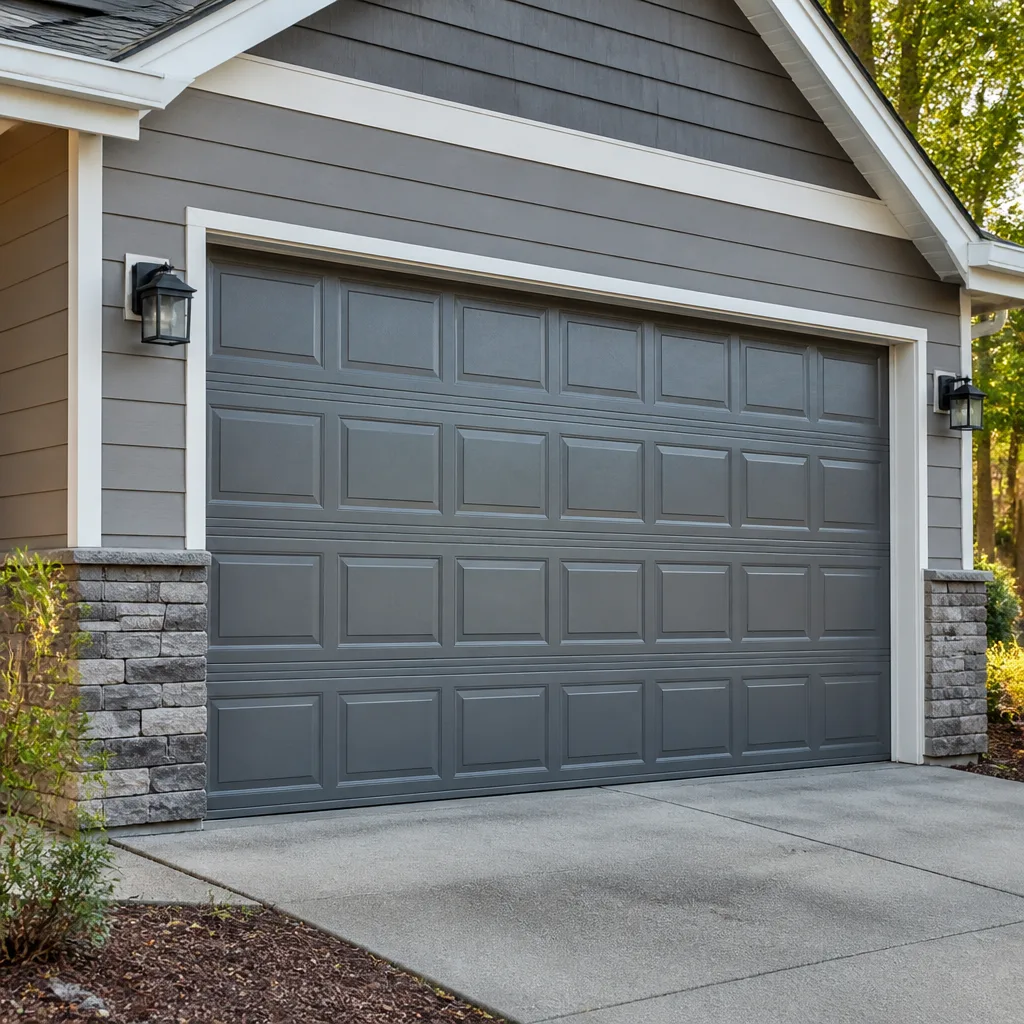 Raised-panel steel
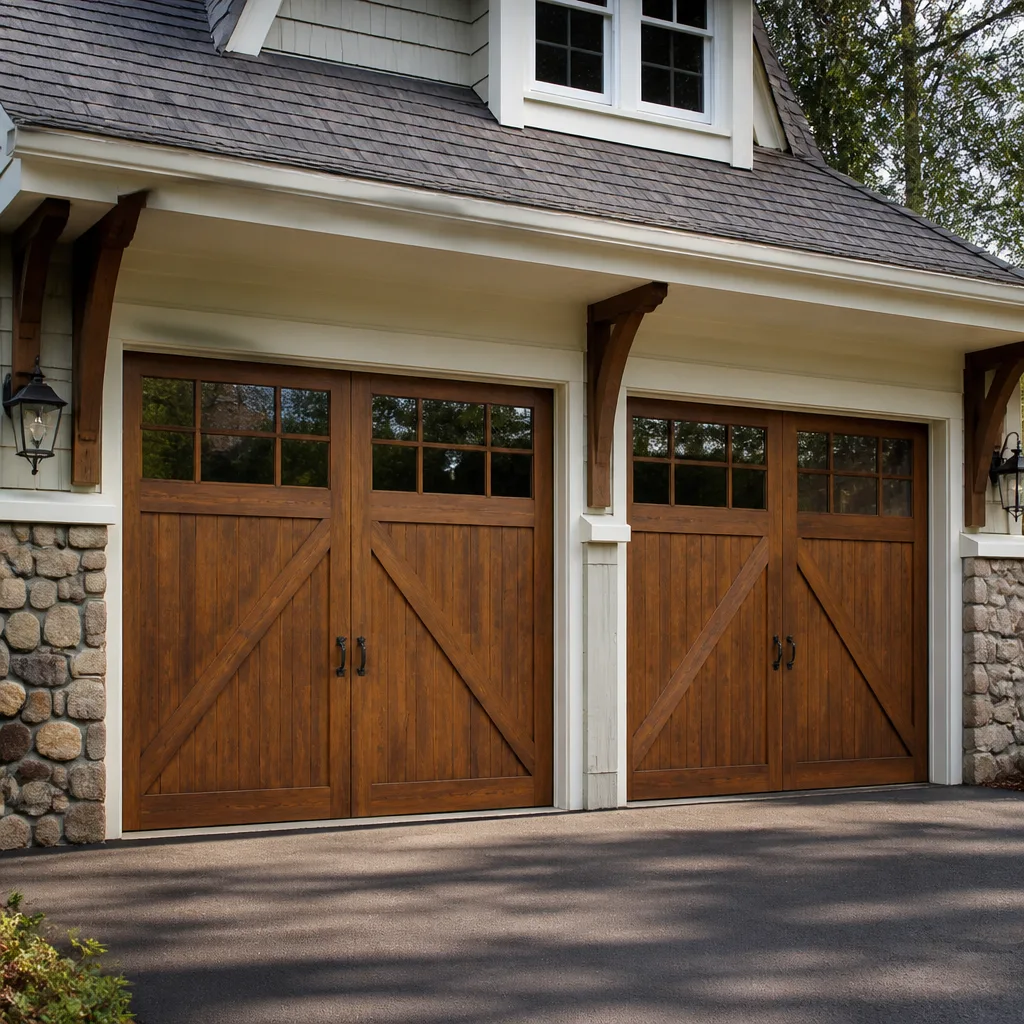 Carriage house
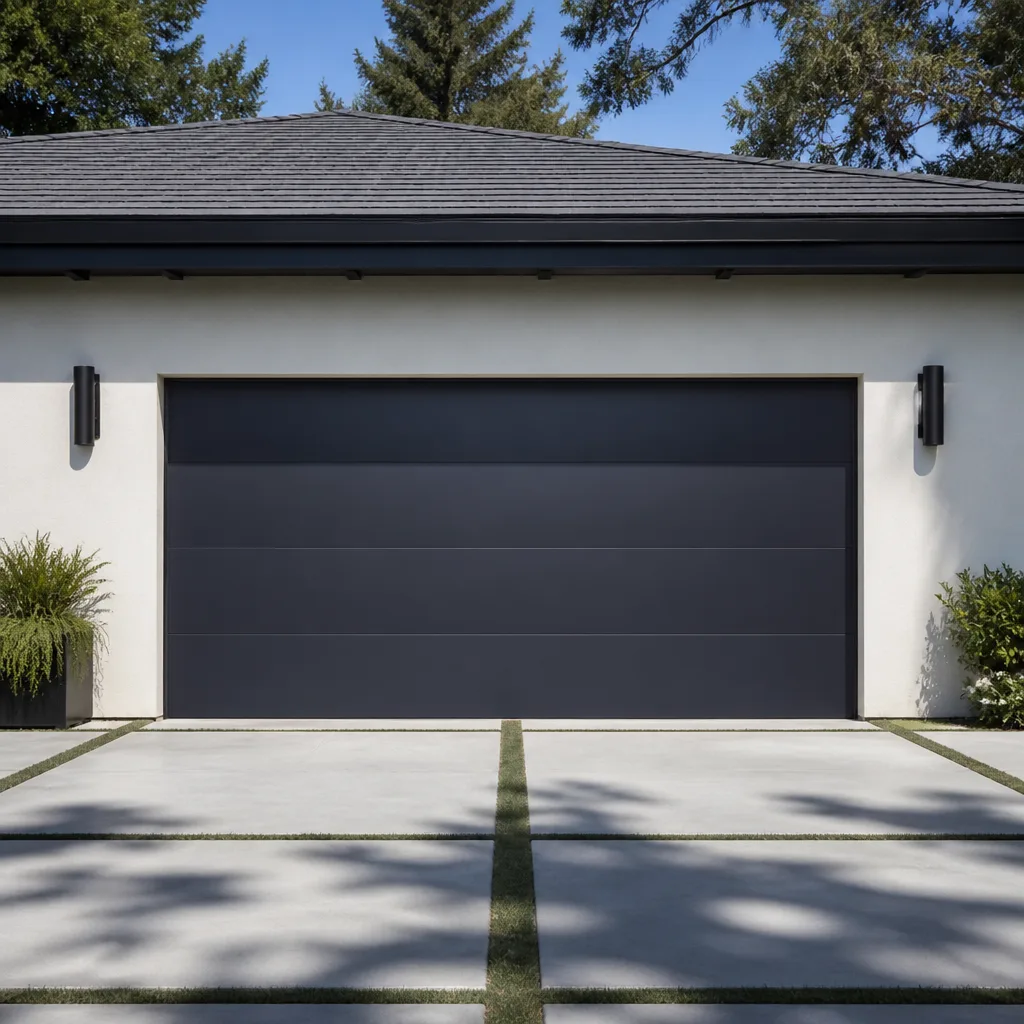 Modern flush
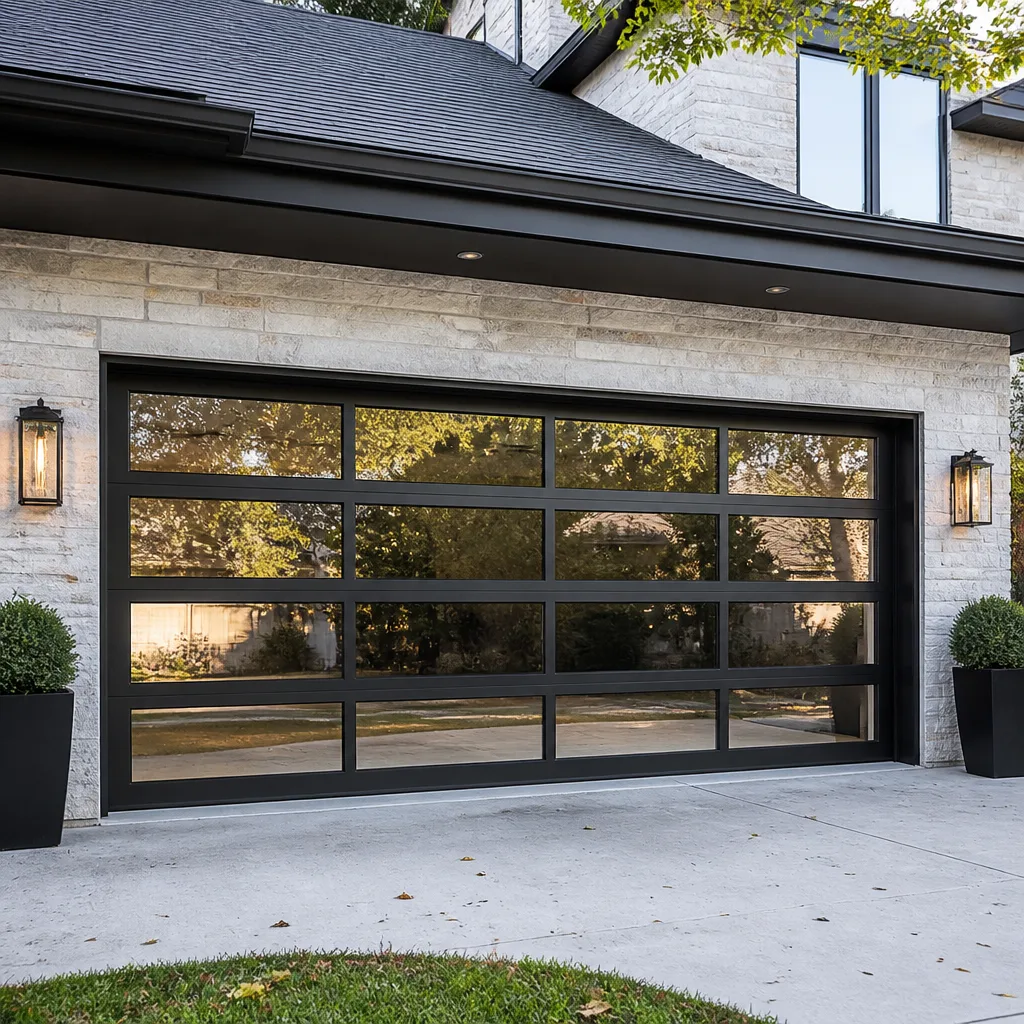 Full-view glass
 LiftMaster openers
 Chamberlain openers
Full 25-point door and opener safety check with every visit - springs, cables, rollers, tracks, and your LiftMaster or Chamberlain opener included
You get a price before we start. It does not change when the pro arrives.
Get your free estimateSeasonal Garage Door Care for Cherry Hill: Year-Round Homeowner’s Guide
Lubricating your garage door springs in January, when it’s 18°F outside, is already too late. The grease has thickened, the steel has contracted, and the door has spent weeks working harder than it should. The work that prevents that January call happens in November. Cherry Hill’s four-season climate creates four distinct failure modes across the year, and each one has a maintenance window that closes before the damage starts. In this guide, we walk through what to check and when, from fall prep through summer humidity, with a printable seasonal task calendar you can keep in the garage.
Quick Answer
Seasonal garage door care in Cherry Hill follows a four-part cycle: prep the door for freezing temperatures in fall, watch for cold-related strain in winter, address freeze-thaw seal and track issues in spring, and manage humidity and UV wear in summer. Each season has its own failure mode, and the fall tasks are the most important because they prevent the winter emergencies entirely.
Styles & brands we work with
- Raised-panel steel
- Carriage house
- Modern flush
- Full-view glass
- LiftMaster openers
- Chamberlain openers
Table of Contents
- Why Seasonal Care Matters More in Cherry Hill Than Most Homeowners Realize
- The Fall Pre-Winter Checklist: What to Do Before the First Freeze
- Winter: What Cold Does to Steel Springs and How to Spot the Warning Signs
- Spring: Freeze-Thaw Cycles, Bottom Seals, and Track Drift
- Summer: Humidity, Wood Panels, and Opener Logic Boards
- The One-Page Seasonal Task Calendar for Cherry Hill Homeowners
- What You Can Safely Do Yourself and What You Shouldn’t
- Opener Care Across the Seasons: What Changes and When
Why Seasonal Care Matters More in Cherry Hill Than Most Homeowners Realize
A garage door is the largest moving object in most Cherry Hill homes. It cycles several times a day, every day, and each cycle puts the springs, cables, rollers, and opener under load. In a mild climate, that load stays relatively constant. Here, it swings widely from summer humidity to January cold, and the door’s components notice.
Cherry Hill sits in a region that gets genuine winters and genuine summers, with freeze-thaw cycles in between. That range is what drives the four failure modes we cover in this guide. Steel springs lose tension in the cold. Rubber seals crack from UV in summer and freeze in winter. Wood door panels absorb humidity in July and dry out in January. Track alignment shifts as the ground moves through frost cycles. None of these are dramatic on their own. Together, they’re why garage doors that “worked fine last year” suddenly stop working in a specific month.
The seasonal approach works because each task has a window. Lubricating a torsion spring in November is effective. Doing the same thing in January, after the metal has already contracted and stiffened, is damage control. Replacing weatherstripping in October keeps cold air and moisture out of the door frame all winter. Waiting until February means the seal has already failed through the worst of the season. The sequence matters as much as the tasks themselves, which is why we’ve organized this guide by season rather than by component.
We work on garage doors across Cherry Hill every week, and the pattern holds: the homes that get fall maintenance rarely call us in January. The homes that don’t tend to call in the first cold snap. Same doors, same age, different timing.
The Fall Pre-Winter Checklist: What to Do Before the First Freeze
Fall is the most important maintenance window of the year. Everything you do in October and November reduces the load on the door through winter. Here’s the checklist, in order of priority.
- Lubricate the torsion spring and hinges. Use a garage-door-specific lubricant, not WD-40. Apply it while temperatures are still mild so it penetrates and sets properly. A torsion spring is a high-tension component; you’re lubricating it, not adjusting it. Never unwind or adjust a spring yourself.
- Check cable tension by eye, not by hand. Cables should be under even tension on both sides. If one looks slack, frayed, or is starting to unwind from the drum, stop using the door and call a specialist. Cables are under the same high tension as springs and can cause serious injury if they fail while you’re near them.
- Replace weatherstripping along the bottom and sides. Look for cracks, flattening, or gaps at the corners. New weatherstripping keeps cold air, snow melt, and pests out through winter.
- Test the auto-reverse safety feature. Place a roll of paper towels under the door and close it. The door should reverse on contact. Test the photo-eye sensors the same way by blocking the beam while the door closes.
- Inspect rollers and hinges for wear. Nylon rollers should spin freely and show no flat spots. Metal rollers that have dried out will be noisy and put extra strain on the opener.
- Check the door balance. Disconnect the opener and lift the door halfway by hand. It should stay in place. If it drops or rises on its own, the springs are out of balance and need professional attention.
- Clear the tracks and check alignment. Wipe the tracks clean and look for bends. A track that’s out of alignment will drag on the rollers through winter, when the metal contracts.
If any of these checks turns up a problem, our garage door repair team can look at it before the cold settles in. Fall is also the right time for a spring inspection if your door is more than a few years old and you’ve never had one.
Winter: What Cold Does to Steel Springs and How to Spot the Warning Signs
Cold weather contracts steel, and a contracted torsion spring holds less stored energy. That means the opener has to work harder to lift the same door. On a door that was already near the end of its spring life, that extra load is often what causes the break. January and February are the months we get the most spring calls, and cold is the reason.
You can spot a door that’s working harder than it should before the spring snaps. Watch for these signs:
- The door feels heavier when you lift it by hand with the opener disconnected.
- The opener strains audibly at the start of the lift, then quiets once the door is moving.
- The door hesitates or stutters before opening fully.
- You hear a loud bang from the garage at some point during the day, which often means a spring has broken.
- The door opens partway and stops, or opens crookedly.
If you notice any of these, stop cycling the door and call a specialist. A spring that’s about to fail is dangerous to work on. Springs are high-tension components and this is not a DIY repair. We handle garage door spring repair with the tools and training the job requires, and we can tell you whether the spring needs replacing or the whole assembly needs attention.
One winter habit worth building: keep the tracks clear of road salt and grit that gets tracked in from the car. Salt doesn’t just corrode metal; it grinds against the rollers every time the door moves. A quick wipe-down once a week through the salt season keeps the rollers and tracks cleaner.
If your door fails on a Saturday, we’re closed that day. Call and we’ll book you for Sunday. We answer 24/7, and fast dispatch runs from 7am to 7pm, Sunday through Friday.
Spring: Freeze-Thaw Cycles, Bottom Seals, and Track Drift
Spring in Cherry Hill means freeze-thaw. Water gets into cracks during the day, freezes at night, expands, and widens the crack. This cycle plays out on your garage door’s bottom seal and the concrete threshold below it.
The bottom seal is the rubber or vinyl strip along the bottom edge of the door. Through winter it takes the brunt of cold air, snow melt, and ice. By March, a seal that looked fine in October can be cracked, flattened, or pulling away at the corners. When that happens, you get water infiltration under the door every time it rains. Left alone, that water sits on the threshold and works its way into the frame.
Track alignment is the other spring issue. Frost heave moves the concrete slab under the garage, and the tracks are anchored to that slab. A track that was perfectly aligned in fall can drift a quarter inch over winter. You’ll notice it as a door that scrapes or binds on one side, or a door that doesn’t close flush. Spring is the right time to check alignment, before summer heat adds its own movement to the equation.
What to check in spring, in order:
- Run your hand along the bottom seal. Feel for cracks, hard spots, or gaps at the corners. Replace the seal if it’s compromised.
- Look at the threshold. Standing water, crumbling concrete, or visible cracks mean the seal isn’t doing its job.
- Open and close the door slowly and watch the track. The rollers should stay centered in the track with no scraping on one side.
- Check the photo-eye sensors. Winter grime and salt spray can cloud the lenses. Wipe them clean and test.
- Re-lubricate the hinges and rollers. The fall lubrication has worn off through winter.
If your door needs a new bottom seal or a track adjustment, that’s routine repair work. Our Garage Door Repair Cherry Hill service covers both, and we’ll tell you if a repair makes sense or if you’re better off replacing the door.
Summer: Humidity, Wood Panels, and Opener Logic Boards
Summer in Cherry Hill brings two things that stress a garage door: humidity and heat. Both cause problems that don’t show up until they’ve been building for a while.
Wood door panels. Wood absorbs moisture from humid air. In a garage that isn’t climate-controlled, wood panels can swell by a fraction of an inch through July and August. That swelling can cause the door to bind in the tracks or the panels to separate at the joints. By fall, when the air dries out, the panels shrink back and leave small gaps. Those gaps are where water gets in next spring. If you have a wood door, summer is the time to check panel joints and look for any swelling that’s causing the door to rub.
Opener logic boards. Modern openers from Chamberlain, Genie, LiftMaster, and other major brands have logic boards that are sensitive to heat and humidity. A garage that hits 100°F in August is a hostile environment for electronics. If your opener starts behaving erratically in summer (random reversing, remotes that work intermittently, a motor that runs but doesn’t move the door), the logic board is a likely culprit. Our garage door opener repair team can diagnose it and tell you whether it’s a board issue, a sensor issue, or something else.
UV degradation on rubber seals. Sunlight breaks down rubber over time. The weatherstripping on the sides of the door, the bottom seal, and the rubber gaskets around the opener are all exposed. By late summer, you may notice the seals are stiff, cracked, or starting to crumble. That’s UV damage, and it’s worth replacing before it lets water in through fall and winter.
One summer task that pays off year-round: check the opener’s battery backup if it has one. Heat degrades batteries faster than cold. A backup battery that’s failed silently won’t help when you need it.
The One-Page Seasonal Task Calendar for Cherry Hill Homeowners
Print this and keep it in the garage. Each task takes minutes, and doing them in the right season is what prevents the emergencies.
Fall (October-November): Pre-Winter Prep
- Lubricate torsion spring, hinges, and rollers with garage-door lubricant
- Inspect cable tension by eye – call a specialist if anything looks slack or frayed
- Replace bottom and side weatherstripping if cracked or flat
- Test auto-reverse with a paper towel roll and test photo-eye sensors
- Check door balance by hand with the opener disconnected
- Clean tracks and check for bends or misalignment
- Inspect rollers for flat spots or noise
Winter (December-February): Strain Watch
- Listen for a loud bang from the garage (a sign of a broken spring)
- Watch for a door that strains, hesitates, or opens crookedly
- Wipe tracks and rollers free of road salt and grit weekly
- Keep the area around the door clear of snow and ice buildup
- Stop using the door if you suspect a spring or cable failure, and call a specialist
Spring (March-May): Freeze-Thaw Recovery
- Inspect bottom seal for cracks and gaps at the corners
- Check the threshold for standing water or concrete damage
- Watch the door open and close slowly to check track alignment
- Clean and test photo-eye sensors
- Re-lubricate hinges and rollers
Summer (June-September): Humidity and Heat
- Check wood door panels for swelling or binding in the tracks
- Watch for erratic opener behavior (reversing, intermittent remotes)
- Inspect rubber seals for UV cracking and stiffness
- Test opener backup battery if equipped
- Clear the garage of heat buildup if possible, especially around the opener
What You Can Safely Do Yourself and What You Shouldn’t
Some seasonal tasks are safe for a homeowner with a step ladder and a free hour. Others carry real risk, and we’d rather tell you that plainly than have you find out the hard way.
Safe for most homeowners:
- Lubricating hinges, rollers, and tracks
- Testing the auto-reverse feature and photo-eye sensors
- Wiping down tracks and cleaning sensors
- Replacing weatherstripping (bottom and sides)
- Visual inspection of cables and springs for obvious wear
- Checking door balance by hand
Not safe to do yourself:
- Adjusting, winding, or unwinding torsion springs. These are under extreme tension and can cause serious injury or death if they release unexpectedly. This is the single most dangerous DIY repair in the garage door category.
- Replacing or tightening cables under tension
- Adjusting spring tension on extension spring systems
- Replacing the torsion tube or spring assembly
- Any work on the opener’s internal wiring or logic board
If a task on the “not safe” list needs doing, call a specialist. Our technicians have up to 12 years of experience, and spring work is one of the jobs we’re trained for. It’s not worth the risk to save an hour.
Opener Care Across the Seasons: What Changes and When
Your opener doesn’t have a single seasonal failure mode the way the door does. Instead, it accumulates stress across the year, and different seasons expose different weaknesses.
Fall: This is the time to test the opener’s force settings and travel limits. A door that’s about to have spring trouble will often trigger the opener’s safety reverse because the door is heavier than the opener expects. If your opener reverses for no apparent reason in fall, that’s a signal the springs are losing tension. Test the safety reverse now so you know it’s working before winter.
Winter: Cold stiffens the grease in the opener’s gears and the lubricant on the door’s moving parts. The opener works harder, draws more current, and runs hotter internally. If your opener is older, winter is when it’s most likely to fail. Watch for grinding noises, slow starts, or a motor that runs but doesn’t move the door.
Spring: This is the best time for a general opener tune-up. Clean the photo-eye lenses, test the remotes and keypad, and check the manual release. If the door was binding through winter, the opener may have been strained, and spring is when you’d notice it.
Summer: Heat is the enemy here. Logic boards fail more often in summer than any other season. If your opener is a Chamberlain, Genie, LiftMaster, or another major brand and it starts acting erratically in July or August, the board is the first thing to check.
We work on openers from all the brands you’re likely to own. If yours is a Chamberlain, Genie, LiftMaster, Craftsman, or any of the other major brands, we can diagnose it. And if the opener is beyond repair, our installation team can replace it, so you’re not calling a second company.
Common Mistakes to Avoid
- Lubricating springs in January instead of November. Cold grease doesn’t penetrate. Do this task in fall, when it can actually do its job.
- Using WD-40 on the tracks or springs. WD-40 is a solvent, not a lubricant. It strips existing lubrication and attracts dust. Use a garage-door-specific lubricant instead.
- Ignoring a door that’s working “a little harder.” A door that strains, hesitates, or opens crookedly is telling you something. In Cherry Hill, that strain often precedes a spring failure by a few weeks.
- Adjusting springs yourself. This is the most common serious injury in the category. Springs are under extreme tension and this is not a DIY repair.
- Skipping the bottom seal replacement. A cracked bottom seal lets water into the threshold every time it rains or snow melts. Replacing it in spring costs less than repairing the water damage later.
- Assuming a wood door doesn’t need summer attention. Humidity swells wood panels, which can cause binding. Check the joints in July, not November.
- Waiting until the opener fails completely. Erratic opener behavior in summer is a warning sign. Diagnosing it early is cheaper than replacing it after a total failure.
See the difference
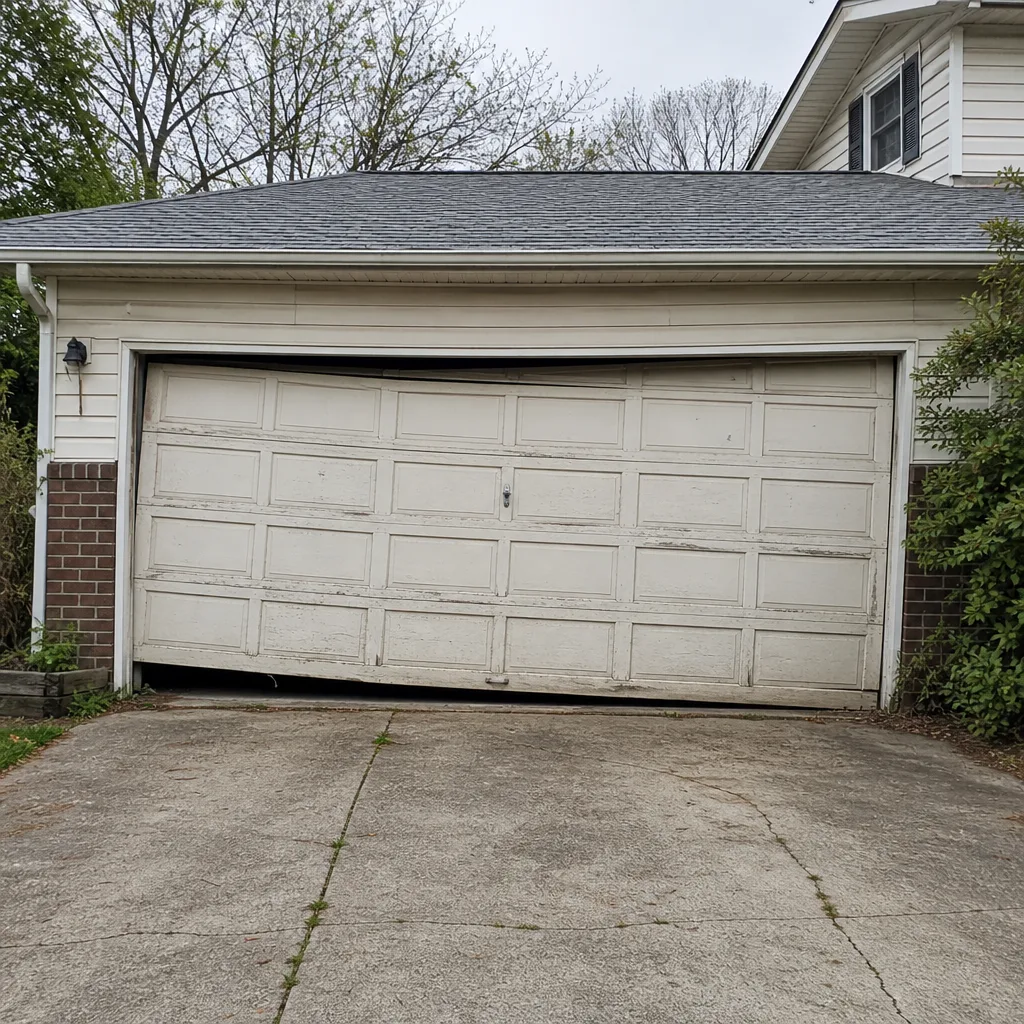 Before
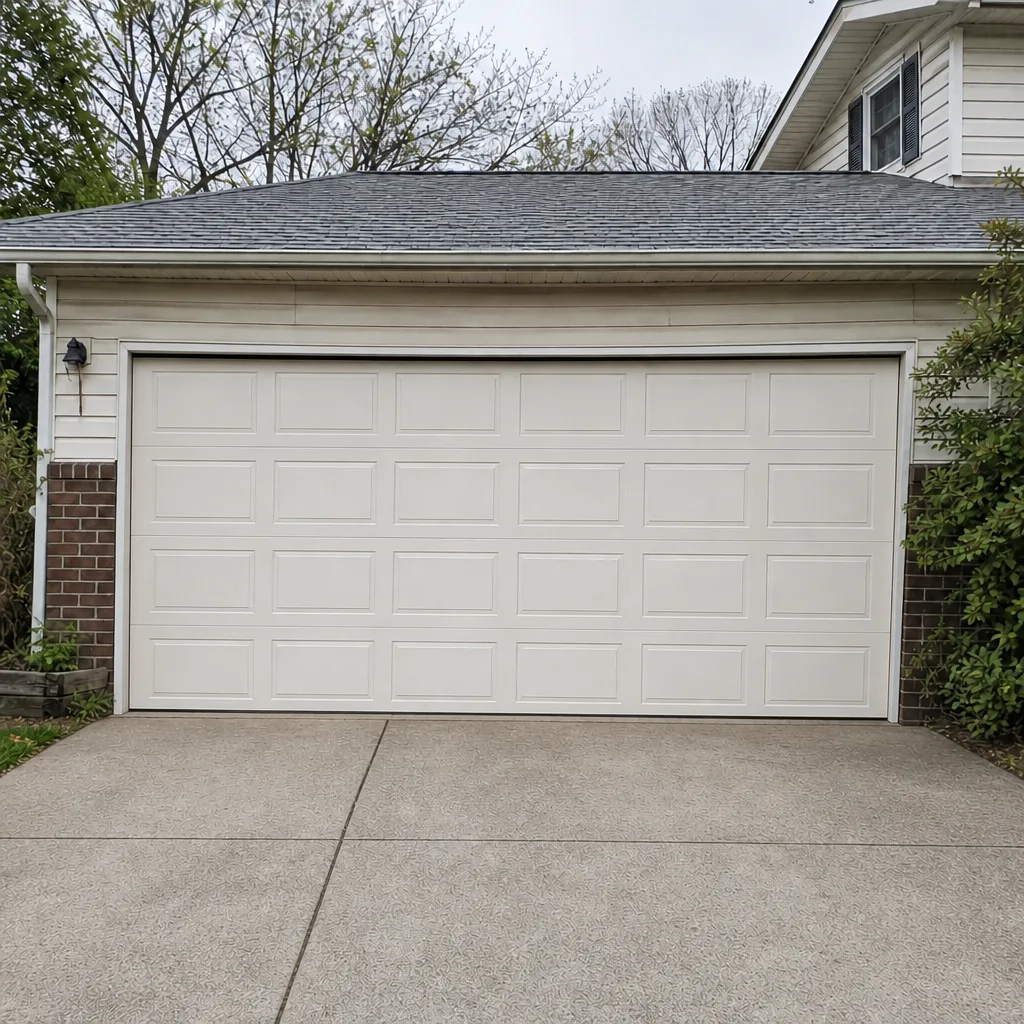 After
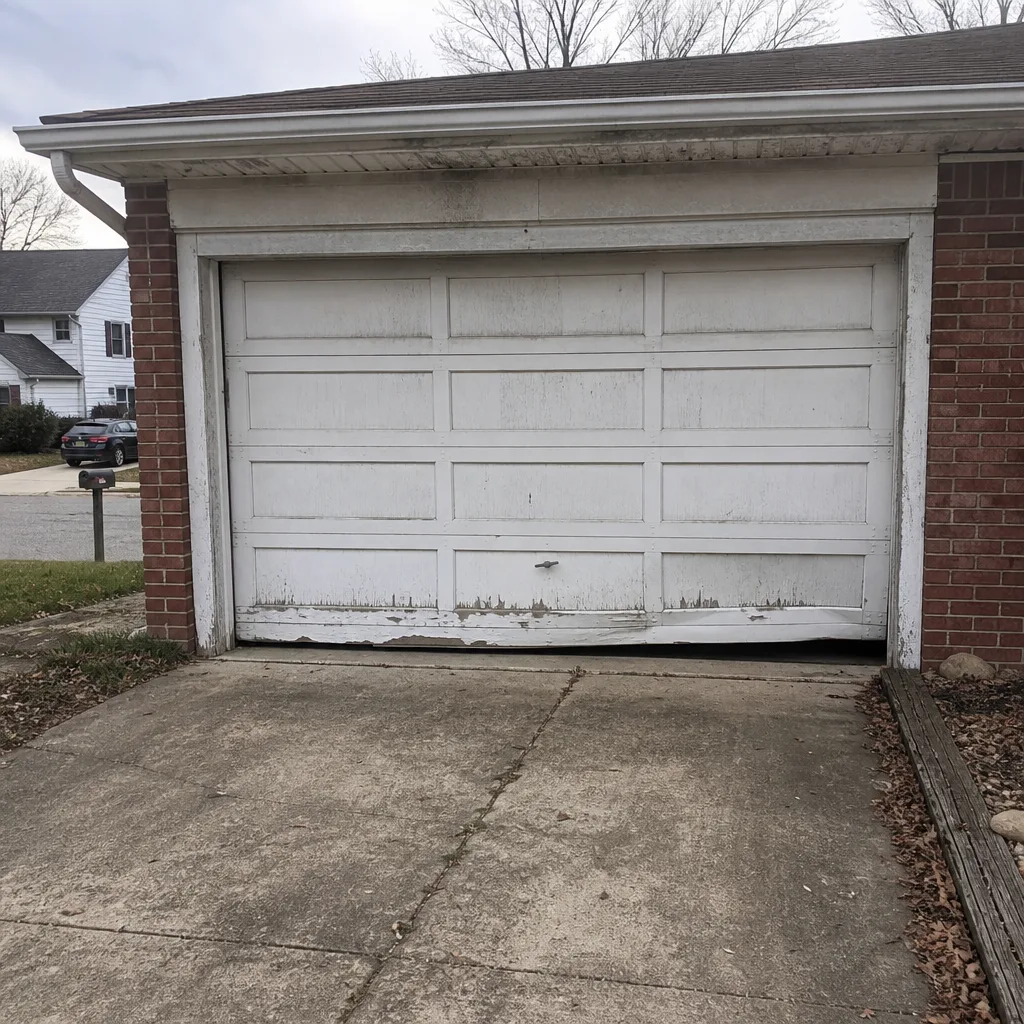 Before
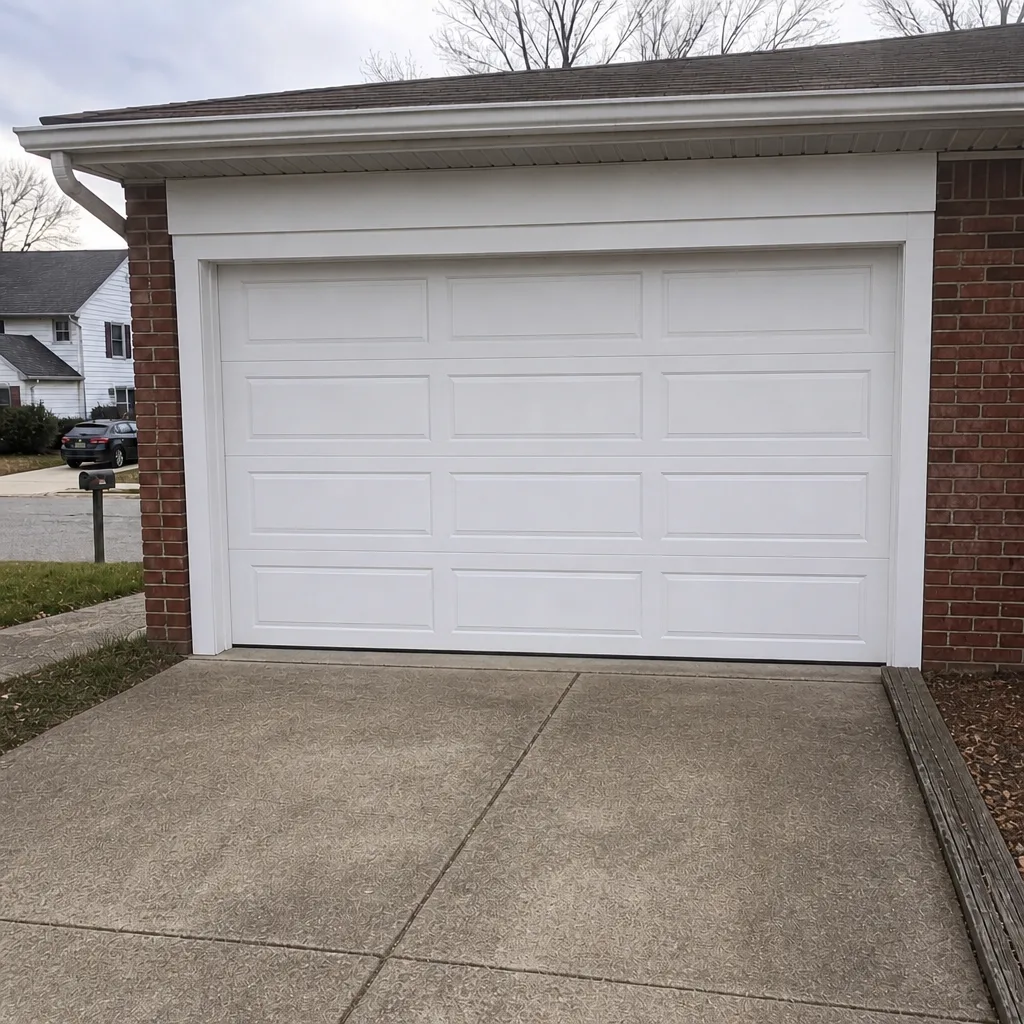 After
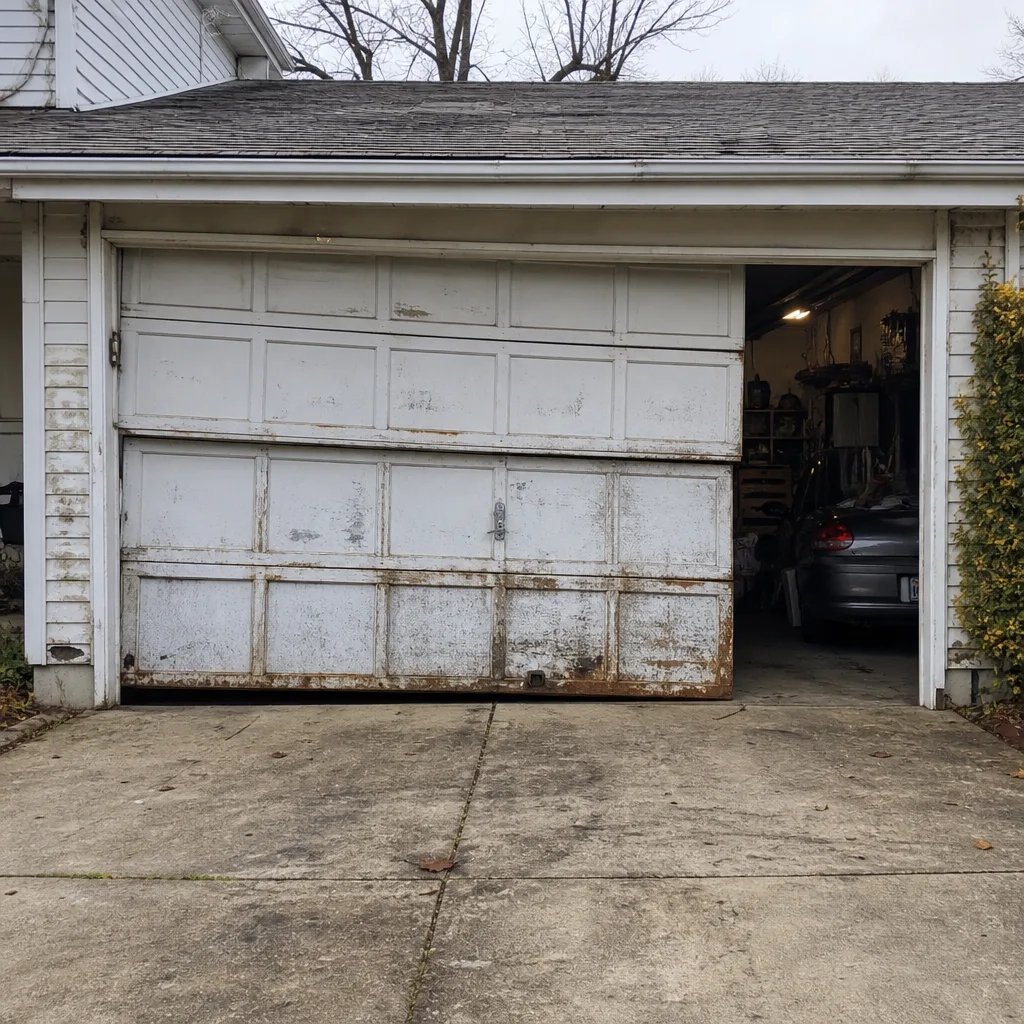 Before
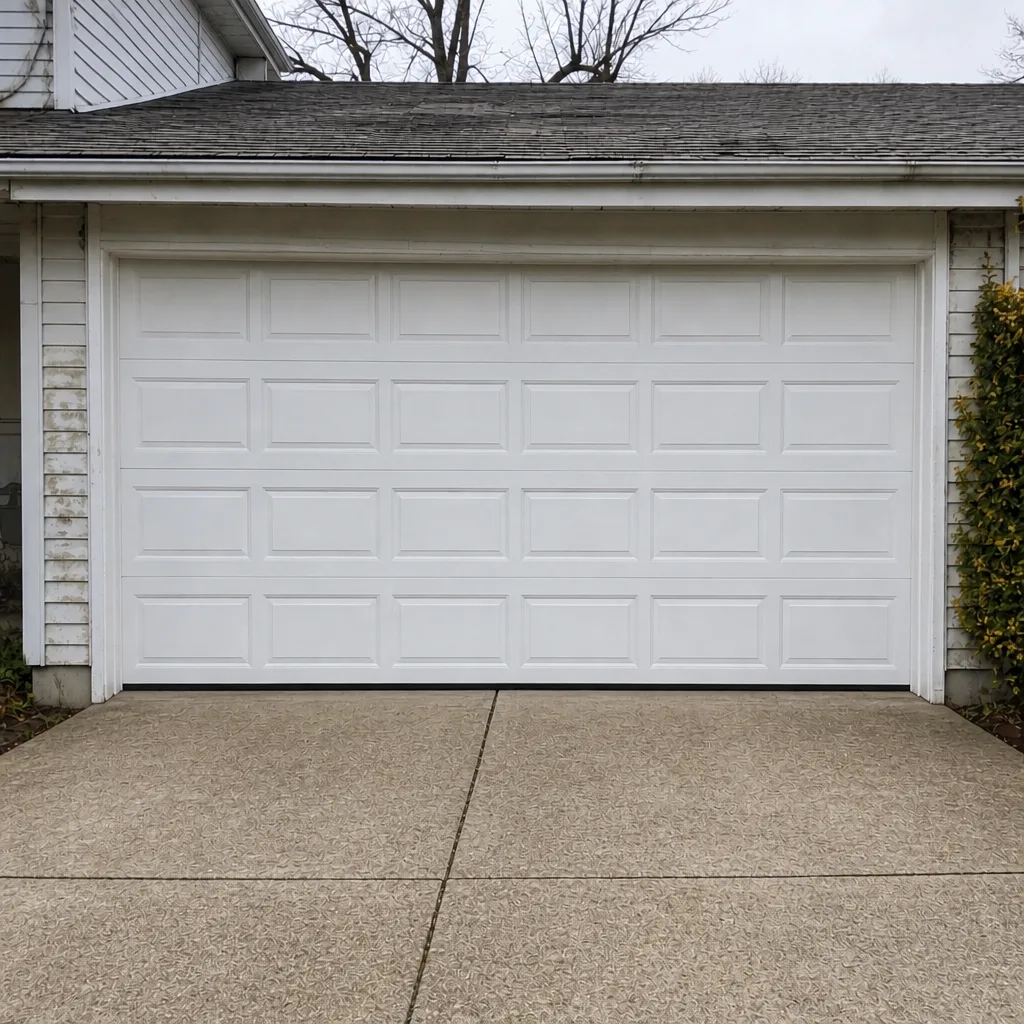 After
When to Call a Professional
Some seasonal issues are routine maintenance. Others are signs of a problem that needs a specialist. Call us if you notice any of these:
- A loud bang from the garage, or a door that won’t lift at all (likely a broken spring)
- Cables that look slack, frayed, or off the drum
- A door that opens crookedly or binds on one side
- An opener that reverses randomly, runs without moving the door, or won’t respond to remotes
- A bottom seal that’s clearly failed and letting water in
- Any work that requires adjusting a torsion spring or cable tension
Garage Door Repair Cherry Hill offers free estimates in Cherry Hill. Call (833) 508-9337 for a free estimate.
Frequently Asked Questions
Lubricate your torsion spring in fall, before temperatures drop below freezing. Cold thickens the lubricant and contracts the steel, so November is the effective window. If you haven’t done it by December, you can still apply lubricant on a mild day, but it won’t penetrate as well. Call (833) 508-9337 for a free estimate if you’d rather have a specialist handle the spring inspection.
Cold contracts the steel torsion spring, which reduces its stored energy, so the opener has to work harder to lift the same door. A door that strains, hesitates, or opens crookedly in winter is showing you it’s under load. If you notice these signs, stop using the door and have it inspected. Call (833) 508-9337 – estimates are free.
Yes, replacing the bottom and side weatherstripping is a safe homeowner task. Cut the new seal to length, slide it into the retainer, and check for gaps at the corners. What you shouldn’t do yourself is anything involving springs or cables under tension. Call (833) 508-9337 if you find a problem behind the weatherstripping.
Yes. Wood absorbs humidity, and a Cherry Hill summer can swell the panels enough to cause binding or joint separation. Check the panel joints in July and August, and watch for the door rubbing in the tracks. If you see swelling, a specialist can adjust the door before the joints crack. Call (833) 508-9337 for a free estimate.
It’s common, and heat is usually the cause. Logic boards in modern openers are sensitive to high garage temperatures, and erratic behavior in July or August often points to a board issue. It could also be a sensor problem. Have it diagnosed before it fails completely. Call (833) 508-9337 – estimates are free.
We’re closed Saturday and open Sunday through Friday, 7am to 7pm. We answer 24/7, and fast dispatch runs from 7am to 7pm, Sunday through Friday. Call (833) 508-9337 to schedule.
The Bottom Line
Seasonal care for a Cherry Hill garage door comes down to timing. Lubricate springs in fall, before freezing temperatures thicken the grease and contract the steel. Watch for strain in winter, because a door that’s working harder than it should is telling you something. Check the bottom seal and track alignment in spring, after freeze-thaw has done its work. Manage humidity and UV in summer, when wood panels swell and opener logic boards overheat.
The tasks themselves are simple. Doing them in the right window is what makes the difference between a door that works through January and one that leaves you calling a specialist in the first cold snap. Print the calendar, keep it in the garage, and call us when a task crosses into the “not safe to do yourself” column.
Garage Door Repair Cherry Hill specializes in garage doors only. Our technicians have up to 12 years of experience, we work on the brands you already own, and we’ll tell you honestly whether repair or replacement makes sense. Call (833) 508-9337 for a free estimate.
Written by the team at Garage Door Repair Cherry Hill.